AMCAT Test Pattern and Syllabus: Every Module, Clock and Rule
The AMCAT test pattern module by module: question counts and clocks, which modules are compulsory, adaptive scoring, no negative marking and how to prepare.
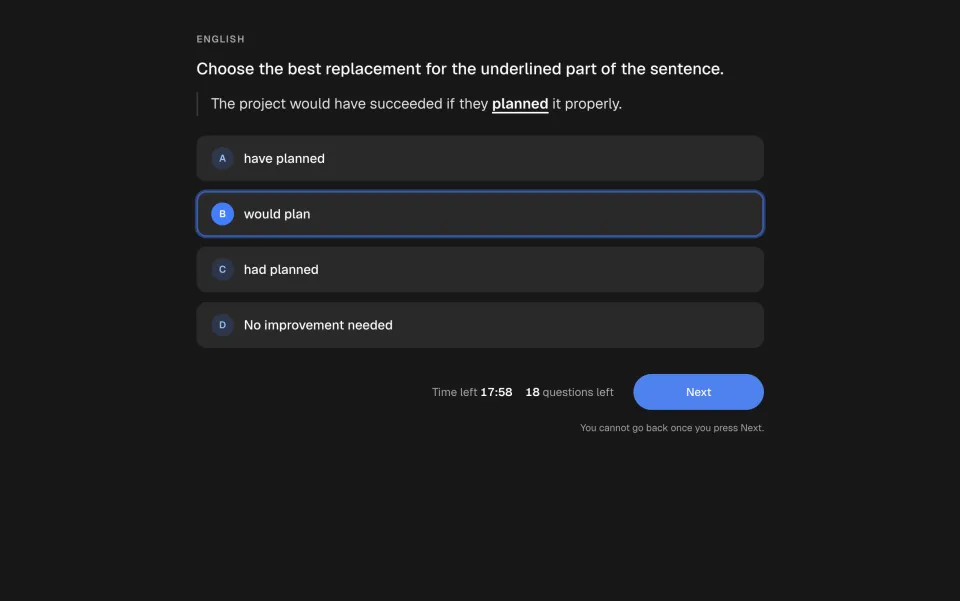
AMCAT is the employability test built by Aspiring Minds and now run by SHL, sat by graduates and final-year students across India, on campus drives and through myamcat.com. It is not one paper but a set of modules, each with its own clock, and the modules you get depend on how you sit it. This guide covers the pattern module by module, the rules every module shares, and how to prepare.
Two ways to sit AMCAT
On myamcat.com you register and pay yourself, and your score is shared with the companies recruiting through AMCAT. On a campus drive or a company's own hiring, the recruiter sends you a login that works only within a set date and time window, and it chooses which modules you sit. The pattern below is AMCAT's published syllabus; your admit card or invitation is what decides your own list.
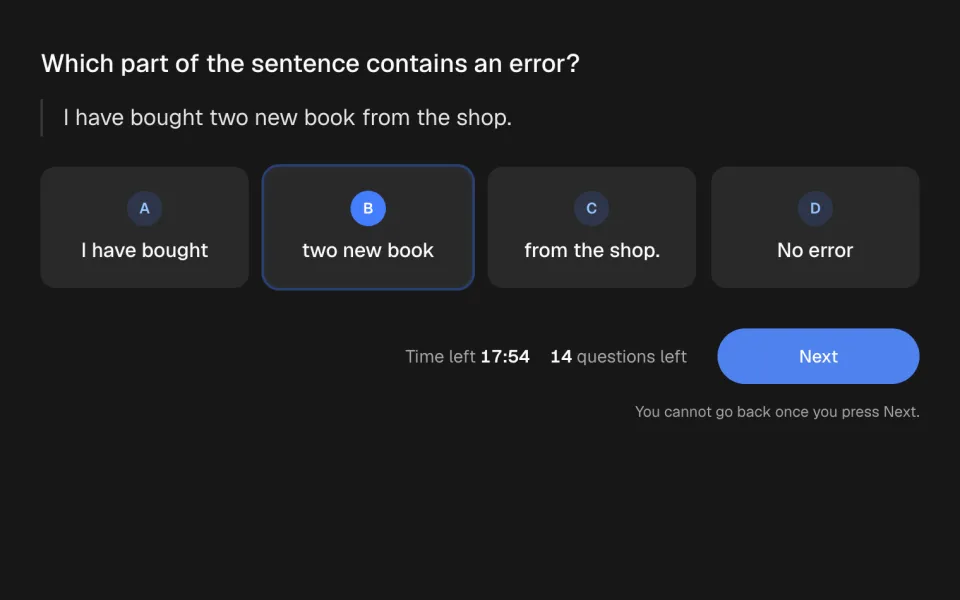
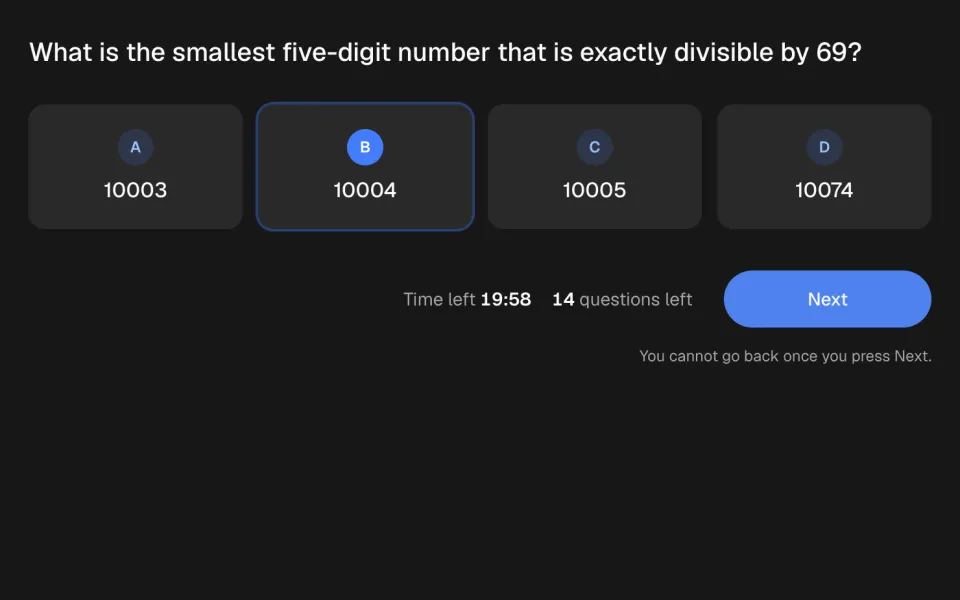
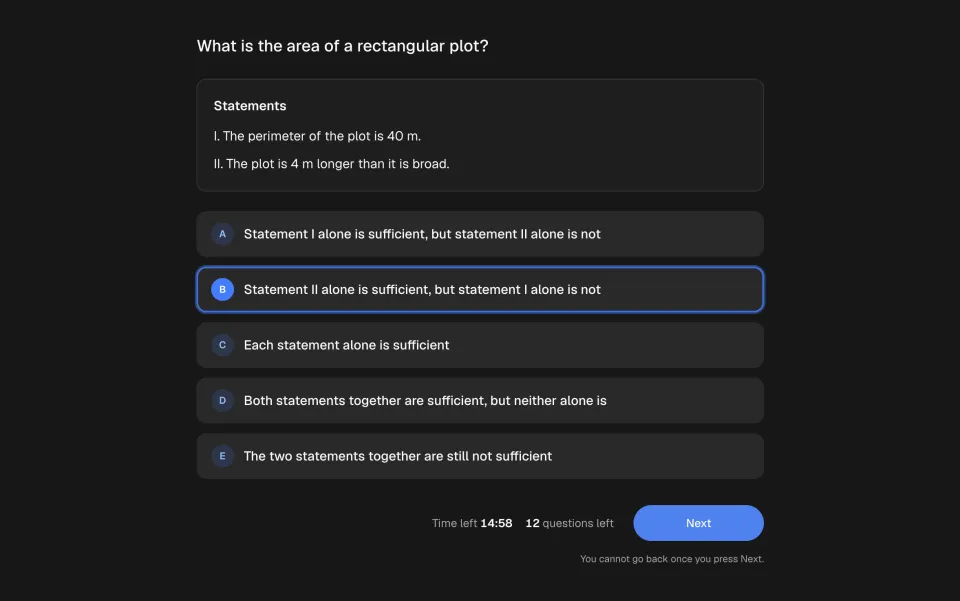
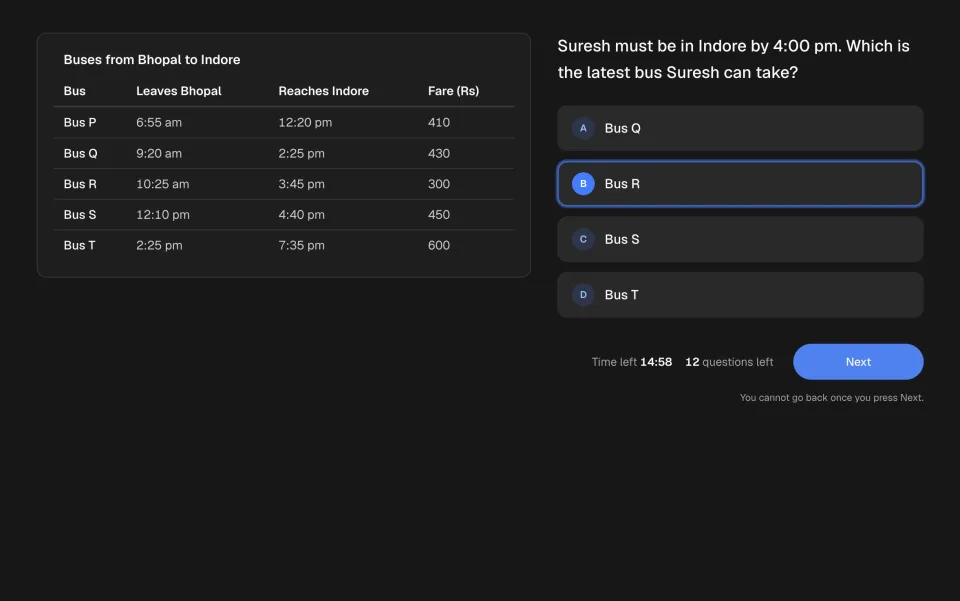
The aptitude modules
You sit one of the two quantitative modules, not both. AMCAT does not say who gets the Tech version, so check your admit card.
Which modules are compulsory?
AMCAT's own pages do not quite agree. The syllabus says the language and aptitude modules are compulsory for everyone, which would include Information Gathering and Synthesis. The FAQ names English, Quantitative Ability, Logical Ability and the AMPI. On a company's own test, the recruiter picks the modules. The safe course is to prepare for all four aptitude modules and confirm against your admit card or invitation.
The subject modules
During a myamcat sitting you also choose two subject modules from about thirty, covering computer programming, Automata Fix (fixing and completing code), engineering branches, finance and accounting, marketing, human resources, statistics and hospitality. They test what your degree taught you rather than aptitude. AMCAT recommends reading the module descriptions and the jobs they suit before the day, and says your choice affects which jobs you are visible for.
The rules every module shares
How the score is used
AMCAT reports a score for each module. Prep sites report a scale running to 900 for the aptitude modules; AMCAT does not publish one. There is no pass mark. A company sets its own cut-off, and the recruiter's screen sorts candidates who completed the test into Strong Consider, May Consider and Not Consider against it. AMCAT says results arrive in about six working days, with feedback on your performance.
If you retake the test, each company decides whether to use your latest, best or average score. A rushed first attempt is not simply replaced, which is one more reason to sit it once you are ready rather than to see what it is like.
How to prepare
You can practise the AMCAT aptitude modules on CogniPrep: English, both quantitative modules, Logical Ability and Information Gathering and Synthesis, each adaptive and at the syllabus clocks, or all four as a full AMCAT mock test. If you are not sure AMCAT is the test you have been sent, the provider guide matches invitation names to publishers, and we explain why AMCAT's adaptive format defeats leaked question lists.