Equalture Results Explained: Your Report, the Fit Score and What Happens Next
What your Equalture results mean: the five-step readings, why some traits have no better end, how the Fit Score works and what the employer does next.
An Equalture assessment ends with a report in your inbox, and a decision you do not see. The report describes you trait by trait. The decision rests on a Fit Score that compares those traits with people already doing the job. This guide explains both, why some of your readings have no good or bad end, and what tends to happen after the games.
The readings you get back
Equalture sends candidates their own results directly after they finish the games, and it reports each trait the employer chose as a step on a five-point scale. Which traits you see depends on which games the employer picked for the role, which is why two friends applying to different jobs can get very different reports.
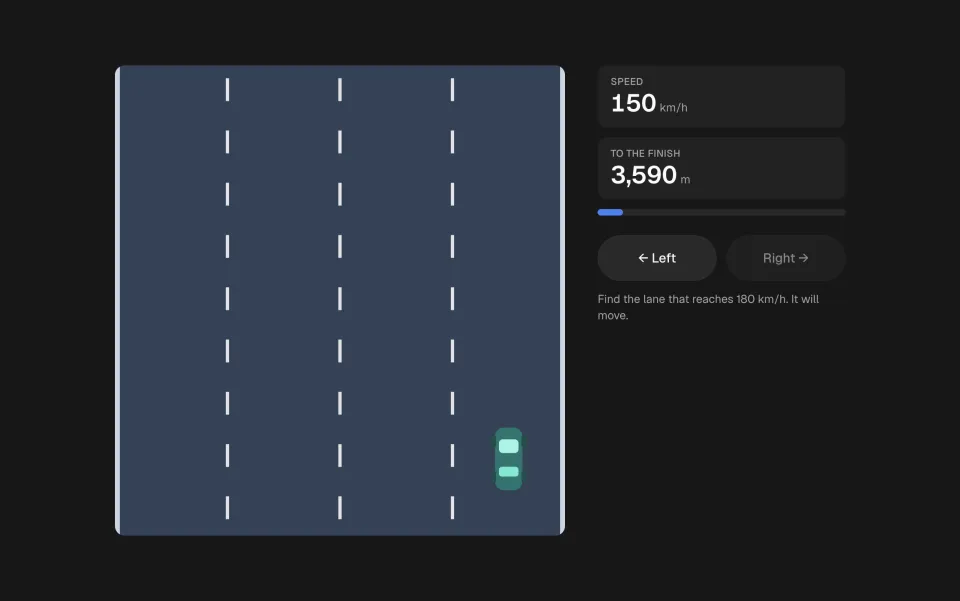
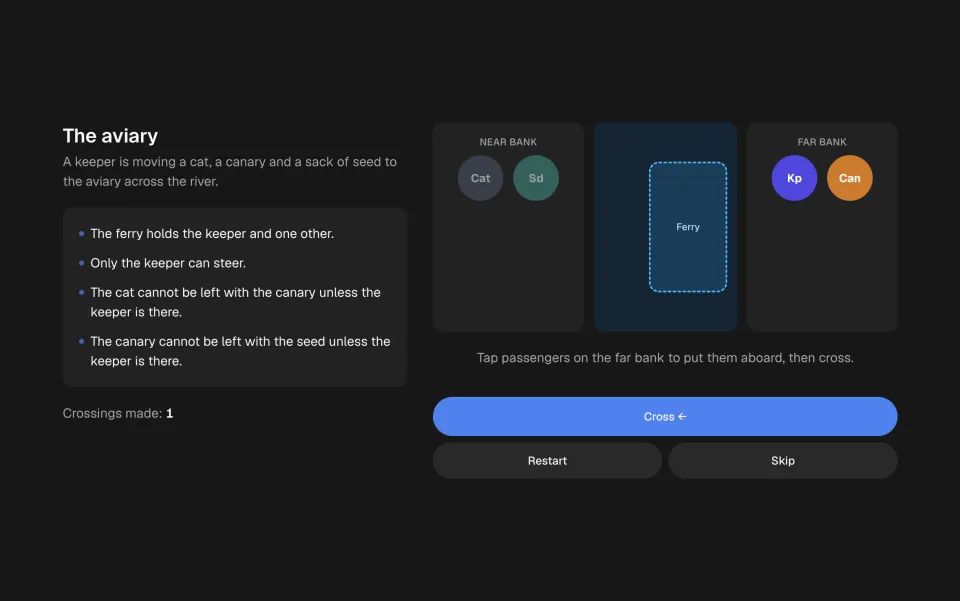
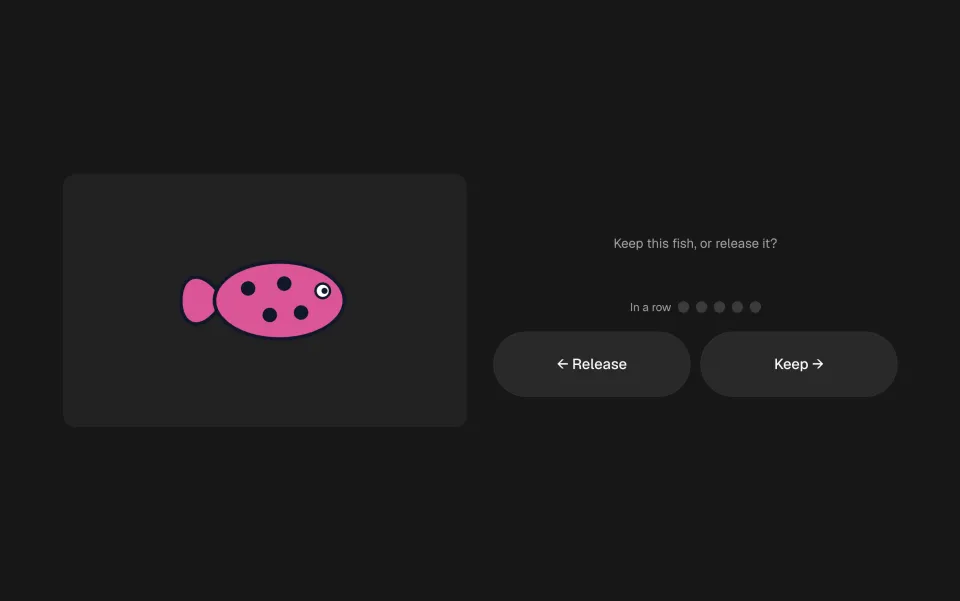
Equalture sorts its results into three kinds. The cognitive games read abilities on a scale from lower to higher: cognitive flexibility from The Racer, problem-solving ability from The Ferry and learning ability, through working memory, from The Fish Discovery. The behavioural preferences read which of two approaches you lean towards. The behavioural skills, measured by the Team Tactics scenarios, run from fair to excellent.
Why some readings have no better end
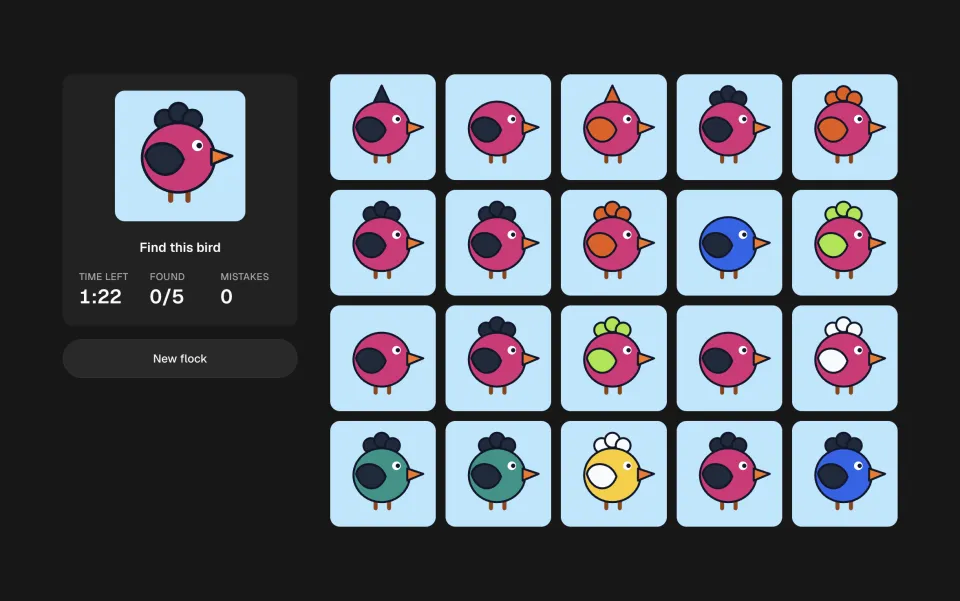
A preference is not a score. Bird Spotting places you between speed-inclined, someone who works well under time pressure and gets a lot done in a short time, and accuracy-inclined, someone who is careful with detail and unlikely to make careless mistakes. The Ferry adds a style from intuitive, solving by trying moves, to systematic, analysing the whole problem first. The Pitch reads collaboration, from more individual to more collaborative.
Equalture describes both ends of each as strengths, and says these readings have no right or wrong answer. A role can still suit one end better: a busy frontline job may favour speed, a checking role accuracy. That is why the same preference can count for you with one employer and against you with another, and why it makes no sense to aim for an end.
How the Fit Score works
The employer does not see a percentile or a pass mark. It sees a Fit Score against its Success Model, the standard every candidate for the role is measured against. Equalture builds that model from the employer’s best performers: it sets a minimum score range for each competency, based on how they played, rather than an ideal profile. Your fit is reported to the employer as high, medium or low.
You never see the Success Model, and it differs between employers and between roles at one employer. So a reading that looks modest on your report can be a high fit for one job, and an impressive reading can still sit outside the range a different job asks for.
How employers use the Fit Score varies. In Equalture’s case studies, Rituals invites high-fit retail candidates to book an in-store interview, DHL Express recruiters focus on high-fit candidates for logistics roles, and FrieslandCampina selects traineeship candidates on their game results and motivation.
If you do not recognise yourself in your results
Equalture’s help centre addresses exactly this, and its points are worth knowing before you play. A game result can differ from how you see yourself at work, because the game asks for the skill in a narrower way. Its own example is The Ferry, which looks at prioritising: you can prioritise well in daily life and still score lower, because techniques such as eat the frog, doing your hardest task first, do not apply inside the game.
It also says abilities and preferences tend to settle by early adulthood, and that someone who plays the same game a year later usually gets a broadly similar result. A fair result on a Team Tactics skill, it says, points to a possible area for development rather than a fixed limit.
What happens after the games
Equalture offers employers an interview guide built from each candidate’s readings, with questions that probe how you manage tasks, solve problems and like to work. If you are invited to interview, expect questions that follow up the traits the games measured, and read your own report first so nothing in it surprises you.
Whether you can play again is the employer’s decision. Given how stable Equalture says its results are, the better use of your time is preparation before the first sitting.
Preparing for a better reading
On the ability games, familiarity helps: knowing that a flexibility game rewards noticing change, that a learning game rewards testing one idea at a time, and that a planning game rewards a pause before the first move. Our Equalture practice games are our own designs that train each of those skills, and our guides to the Racer, Bird Spotting, The Ferry and The Fish Discovery explain each game. On the preference games, the best preparation is to play as yourself.